b. Leeds, England 1984.
Awarded MA Ceramics and Glass, Royal College of Art, 2010.
Founding member of Studio Manifold, East London, 2011.
Awarded Doctor of Philosophy, Manchester School of Art, 2023.
Lecturer at Central Saint Martins University.
With a background in product design and applied art, Ian employs a mixture of industrial design and craft skills within his work to produce exhibitions, installations and designs for production. His output spans the fields of design, research and curating. Ian has collaborated with a wide range of design manufacturers and cultural institutions including Vitsoe, Hem, Jerwood Visual Arts and The Helen Hamlyn Centre for Design.
Arch 33 Ermine Mews
Laburnum Street, London E2 8BF
View map
+44 (0)788 758 2110
ian.mcintyre@network.rca.ac.uk
Instagram

Highlights
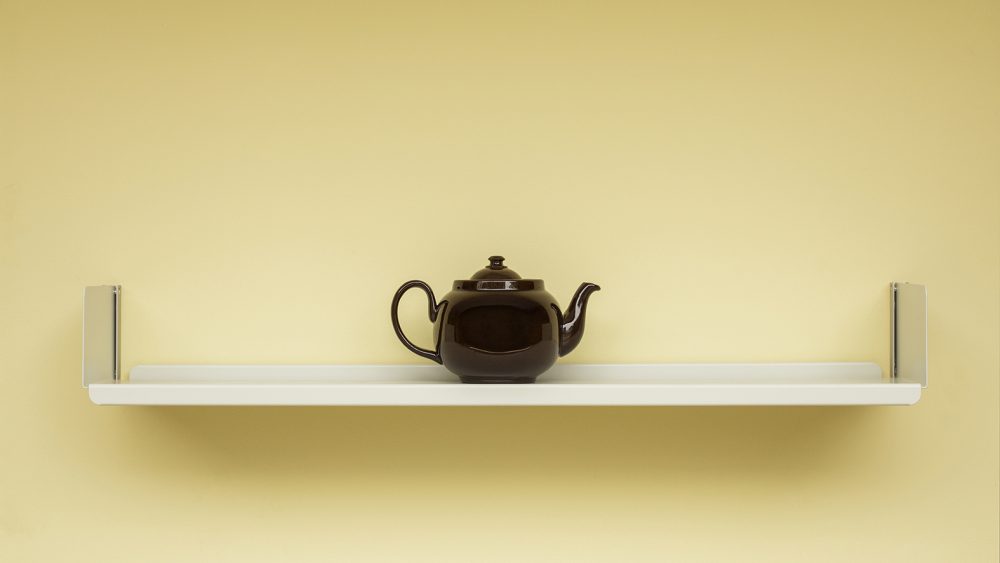
Re-engineered Brown Betty Teapot
Nominated for Beazley Designs of the Year 2018. Held in the permanent collections of Design Museum, London, Victoria & Albert Museum, London, York Art Gallery and Manchester Art Gallery, England
A Ton of Clay
Awarded the Jerwood Makers Commission and UK tour. Held in the permanent collection of York Art Gallery, England
Candela
Site-specific installation commissioned by London Design Festival and Officine Panerai. First shown at the Victoria & Albert Museum. Held in the permanent collection of La Triennale di Milano, Italy
Collaborators
AirSpace gallery
Another Country
Jerwood Visual Arts
Helen Hamlyn Centre for Design
Vitsoe
The London Design Festival
Victoria and Albert Museum
Very Good & Proper
Margaret Howell
Hem
Officine Panerai
ACE Hotel London
Modern Design Review
Studio Voltaire
Monoware
Cauldon Ceramics
HAY